Post-Winter Driveway Cleaning in Orange Park: Removing Salt, Grime, and Stains
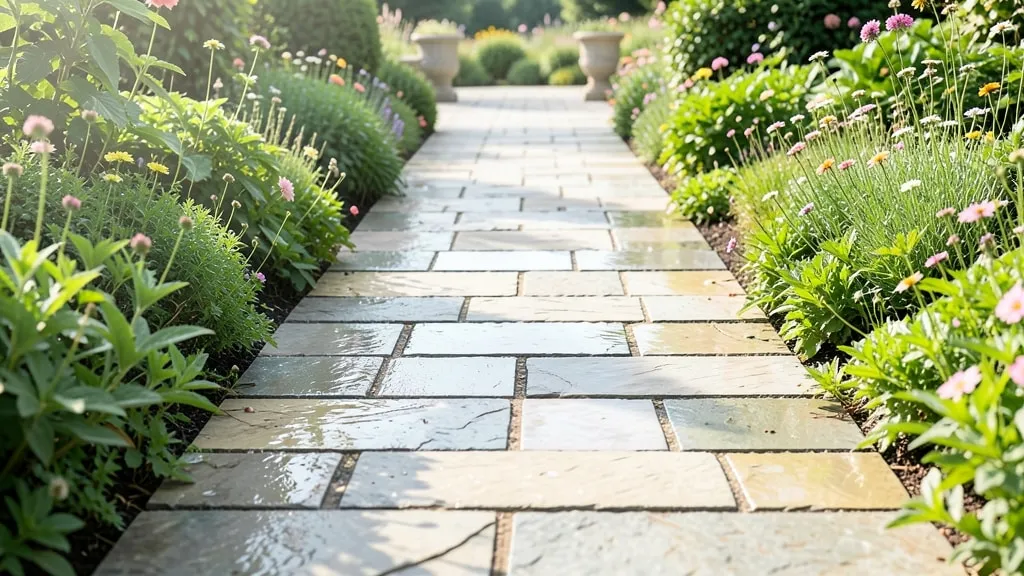
Winter in Northeast Florida leaves behind more than just cooler temps—salt, sand, and grime embed deep into concrete and pavers. We’ll show you how to restore your driveway’s curb appeal and protect it from long-term damage with professional pressure washing techniques tailored for Orange Park homes.
Why Winter Takes a Toll on Orange Park Driveways
Road salt and de-icing chemicals don’t just melt ice—they seep into porous concrete, breaking down the surface over time. Even in milder winters, residual grime from sand and organic debris accelerates wear.
Our humid subtropical climate means moisture lingers, turning embedded salt into a corrosive paste. Without post-season cleaning, you risk pitting, cracks, and a driveway that ages prematurely.
Signs Your Driveway Needs Post-Winter Pressure Washing
White, chalky residue (efflorescence) is a dead giveaway—salt and minerals leaching to the surface. Dark stains from oil, tire marks, or organic growth also signal it’s time for a deep clean.
If your driveway looks dull or feels rough underfoot, embedded grime is likely the culprit. Catching these early prevents costly repairs down the road.
Red Flags to Watch For
- Visible salt or sand buildup in cracks
- Dark, greasy stains from vehicles
- White mineral deposits (efflorescence)
- Moss, algae, or mold in shaded areas
- Rough texture when walking barefoot
Pressure Washing vs. Soft Washing: What’s Right for Your Driveway?
Not all driveways can handle high-pressure cleaning. Older or damaged concrete may require soft washing—a lower-PSI method using specialized detergents to lift stains without causing harm.
For tough salt and oil stains, hot water pressure washing (200°F+) cuts through grime faster than cold water. We match the method to your surface’s condition and the type of contamination.
| Method | Best For | PSI Range | Key Benefit |
|---|---|---|---|
| Hot Water Pressure Washing | Salt, oil, heavy grime | 2,500–4,000 PSI | Deep penetration, faster results |
| Cold Water Pressure Washing | General dirt, light stains | 2,000–3,000 PSI | Energy-efficient, versatile |
| Soft Washing | Delicate surfaces, algae/mold | 500–1,500 PSI | Gentle, prevents surface damage |
The Step-by-Step Driveway Cleaning Process We Use
We start with a pre-treatment of eco-friendly degreasers and salt-neutralizing agents to break down contaminants before the first spray. This ensures stains lift evenly without excessive pressure.
Next, we use commercial-grade equipment with adjustable PSI and GPM to tailor the clean to your driveway’s material—concrete, pavers, or asphalt. A final rinse removes all residue, leaving a clean, safe surface.
Pro Tips to Extend Your Driveway’s Life After Cleaning
Sealing your driveway after cleaning adds a protective barrier against future salt and moisture intrusion. In Orange Park, a breathable sealer works best to prevent trapping humidity beneath the surface.
Regular maintenance—like sweeping away debris and spot-cleaning oil leaks—keeps your driveway looking fresh between professional cleanings. Aim for a deep clean at least once a year, or twice if you’re near high-traffic areas like Jacksonville or Fleming Island.
Schedule cleaning in early spring before the rainy season hits. Dry conditions ensure sealants cure properly and stains don’t reappear quickly.
Common Mistakes Homeowners Make with DIY Driveway Cleaning
Using a consumer-grade pressure washer at max PSI can etch concrete, creating permanent damage. Even rental units often lack the fine control needed for delicate surfaces like stamped concrete or pavers.
Skipping pre-treatment means you’ll spend hours scrubbing with little to show for it. Salt and oil stains require chemical breakdown before pressure washing can fully remove them.
Never use bleach or harsh chemicals like muriatic acid without professional guidance. These can discolor or weaken your driveway—and harm nearby plants or waterways.
Why Orange Park Homeowners Trust Professional Pressure Washing
From Doctors Inlet to Middleburg, driveways here face unique challenges: sandy soil, high humidity, and occasional freeze-thaw cycles. Our team knows how to adjust techniques for local conditions to deliver lasting results.
We also handle adjacent services like gutter cleaning and house washing, so your entire property looks its best. Many neighbors in Green Cove Springs and Fleming Island bundle these services for efficiency.
How to Prep Your Driveway for Pressure Washing
A little prep work ensures great results and protects your property.
- 1Clear the Area
Remove vehicles, toys, and outdoor furniture. Sweep away loose debris like leaves or sand to prevent clogging the equipment.
- 2Pre-Treat Stains
Apply a degreaser to oil stains or a salt-neutralizing solution to white residue. Let it dwell for 10–15 minutes before rinsing.
- 3Cover Nearby Plants
Use plastic sheeting or tarps to shield landscaping from overspray, especially if using chemical cleaners.
- 4Test a Small Area
Check a hidden corner with your pressure washer to ensure the PSI won’t damage the surface. Adjust as needed.
- 5Work in Sections
Clean in manageable areas, moving from top to bottom (if on a slope) to avoid re-soiling cleaned spots.
- 6Rinse Thoroughly
Remove all cleaning solutions and loosened debris with a final pass. Let the driveway dry completely before walking or driving on it.
Frequently Asked Questions
How often should I pressure wash my driveway in Orange Park?
Once a year is ideal for most homes, but driveways near busy roads (like those in Jacksonville or Middleburg) or with heavy vehicle use may need it twice yearly. Post-winter is a good time to tackle salt and grime buildup.
Can pressure washing remove oil stains from my driveway?
Yes, but it requires pre-treatment with a degreaser and often hot water pressure washing for stubborn stains. Older oil stains may need multiple passes or specialized cleaners to fully lift.
Is soft washing safe for all driveway types?
Soft washing is ideal for delicate surfaces like pavers, stamped concrete, or older driveways. However, it may not be as effective for deep salt or oil stains—those often need higher PSI or hot water.
Will pressure washing damage my concrete driveway?
Only if done incorrectly. Using too much pressure (over 3,000 PSI for standard concrete) or holding the nozzle too close can etch or crack the surface. Professionals adjust PSI based on the material and condition.
Do you offer driveway cleaning for commercial properties in Orange Park?
Absolutely. We provide commercial pressure washing for business driveways, parking lots, and sidewalks in Orange Park, Fleming Island, and surrounding areas. Regular cleaning enhances safety and curb appeal for customers.
How can you prevent salt damage next winter?
Apply a high-quality sealer after cleaning to create a protective barrier. During winter, sweep away salt and sand promptly, and avoid overusing de-icing chemicals. For heavy buildup, schedule a mid-season touch-up clean.