Prevent Slip Hazards: When to Pressure Wash Walkways in Orange Park
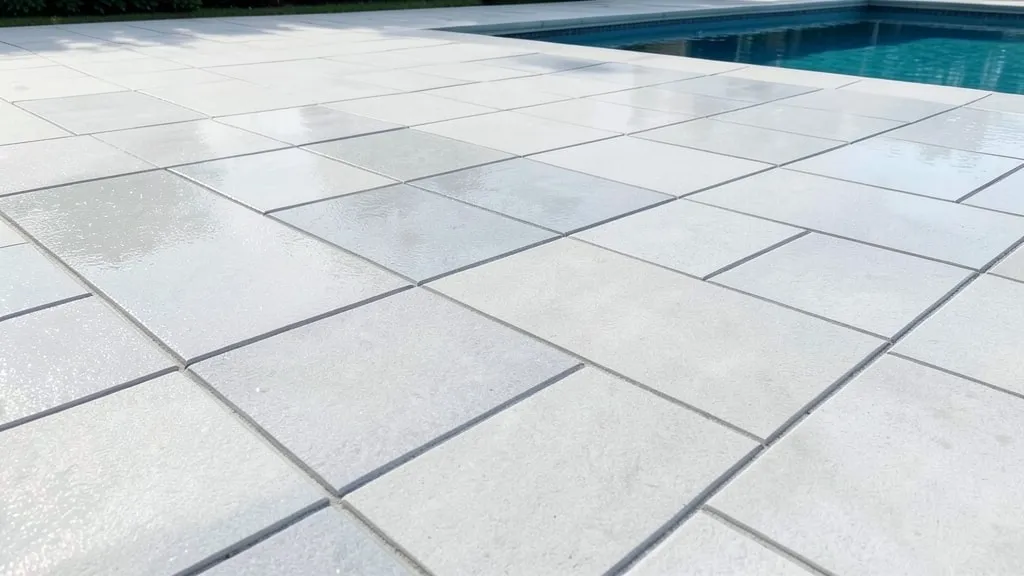
Slippery walkways aren’t just an eyesore—they’re a liability. In our humid Florida climate, algae and mold take hold fast, turning sidewalks and driveways into hazards. We’ll show you the clear signs it’s time to pressure wash and how to keep surfaces safe year-round.
Why Orange Park Walkways Get Slippery Fast
Florida’s heat and moisture create the perfect storm for organic growth. Algae, moss, and mold thrive on concrete, pavers, and brick—especially in shaded or north-facing areas.
Porous surfaces like stamped concrete or travertine absorb moisture, accelerating buildup. Even new walkways can become slick within months if not maintained.
5 Signs Your Walkways Need Pressure Washing Now
Visible dark streaks or green patches mean algae or mold are already compromising traction. These aren’t just surface stains—they’re rooted in the pores.
A slick feel underfoot, even when dry, signals a biofilm layer. This is common near sprinklers or in areas with poor drainage, like parts of Doctors Inlet.
White or chalky residue (efflorescence) on concrete or pavers indicates mineral buildup, which can also reduce grip.
Red Flags for Slip Hazards
- Green, black, or brown discoloration
- Surface feels slippery when wet or dry
- Visible white mineral deposits
- Moss growing in cracks or joints
- Water beads instead of absorbing (sealant failure)
Best Times of Year to Pressure Wash in Northeast Florida
Early spring and late fall are ideal. Cooler temps and lower humidity let surfaces dry faster, reducing the risk of immediate regrowth.
Avoid the peak of summer—intense UV can cause cleaning solutions to dry too quickly, leaving streaks. Winter is doable, but frost isn’t a concern here, so focus on dry, mild days.
After heavy storm seasons (like late summer), a thorough cleaning removes debris and prevents long-term staining.
Pressure Washing vs. Soft Washing for Walkways
Not all surfaces can handle high PSI. Delicate materials like flagstone or aged brick require soft washing to avoid etching or damage.
For tough stains on concrete driveways or sidewalks, pressure washing with the right nozzle (15–25 degrees) and PSI (1,500–2,500) is safe and effective.
| Material | Recommended Method | PSI Range | Notes |
|---|---|---|---|
| Concrete | Pressure Washing | 1,500–2,500 PSI | Use a 25-degree nozzle; pre-treat oil stains |
| Pavers | Pressure Washing | 1,200–1,800 PSI | Keep nozzle 12–18" away to avoid displacing sand |
| Brick | Soft Washing | 500–1,000 PSI | Low pressure prevents mortar damage |
| Stamped Concrete | Soft Washing | 800–1,200 PSI | Higher PSI can strip sealants |
| Flagstone | Soft Washing | 500–800 PSI | Prone to chipping; use wide-angle nozzle |
Preventing Regrowth After Cleaning
A post-wash sealant adds a protective layer, slowing moisture absorption and growth. We recommend breathable, penetrative sealers for concrete and pavers in Fleming Island or Middleburg.
Regular maintenance—sweeping debris and spot-cleaning—extends the life of your cleaning. Trim overhanging branches to reduce shade and moisture retention.
Apply a mildew-resistant sealant within 48 hours of cleaning. This is critical in humid areas like Green Cove Springs.
Safety First: Avoiding Damage and Injuries
Never pressure wash without protective gear. Flying debris and high-pressure streams can cause serious injury. Always wear closed-toe shoes and eye protection.
Test a small, hidden area first. Some surfaces, like old or poorly installed pavers, may shift or crack under pressure.
Using a 0-degree (red) nozzle on walkways can etch concrete and damage surfaces. Stick to 15–40 degree nozzles for residential cleaning.
Commercial Walkways Need Extra Attention
High-traffic areas like storefronts in Jacksonville or office parks in Orange Park accumulate grime faster. More frequent cleaning (quarterly) may be necessary to meet safety standards.
For commercial properties, we often combine pressure washing with gutter cleaning to prevent water runoff from re-soiling walkways.
How to Pressure Wash Your Walkway Safely
Follow these steps to restore traction and appearance without damaging your surfaces.
- 1Clear the Area
Remove furniture, toys, and loose debris. Cover nearby plants with plastic sheeting to protect them from cleaning solutions.
- 2Pre-Treat Stains
Apply a degreaser or algae/mold remover to heavily soiled areas. Let it dwell for 10–15 minutes—longer for tough stains.
- 3Choose the Right Nozzle and PSI
Use a 25-degree nozzle for concrete or a 40-degree nozzle for delicate surfaces. Start at lower PSI (1,200–1,500) and increase as needed.
- 4Work in Sections
Clean in overlapping strips, moving from top to bottom (if on a slope). Keep the wand 12–18 inches from the surface.
- 5Rinse Thoroughly
Use a wide-angle nozzle to rinse away all detergent and loosened grime. Ensure no residue remains in cracks or joints.
- 6Inspect and Seal
Let the surface dry completely (24–48 hours), then inspect for missed spots. Apply sealant if needed to prevent future growth.
Frequently Asked Questions
How often should I pressure wash my walkways in Orange Park?
Most residential walkways need cleaning every 6–12 months, but high-traffic or shaded areas may require it quarterly. Our humid climate speeds up regrowth, so monitor for slippery spots.
Can I pressure wash my walkway myself, or should I hire a pro?
DIY is possible for small, simple jobs on durable surfaces like concrete. However, for delicate materials (brick, flagstone) or large areas, our team’s equipment and expertise prevent damage and ensure even results.
Will pressure washing remove oil stains from my driveway?
Yes, but oil stains often require pre-treatment with a specialized degreaser or hot water pressure washing. For deep-set stains, multiple passes or professional-grade cleaners may be needed.
Is soft washing better for my paver walkway?
Soft washing is safer for pavers, as high pressure can dislodge joint sand and destabilize the surface. We use low-PSI, high-volume sprays with detergents to clean without damage.
How do I know if my walkway needs sealing after pressure washing?
If water beads on the surface, your sealant is still intact. If it absorbs quickly or the surface looks dull, it’s time to reseal. Newly cleaned walkways in high-moisture areas like Doctors Inlet benefit from sealing.
What’s the difference between pressure washing and power washing?
Pressure washing uses cold water, while power washing uses heated water. The heat in power washing is more effective for removing grease and oil, but it’s not always necessary for walkways.