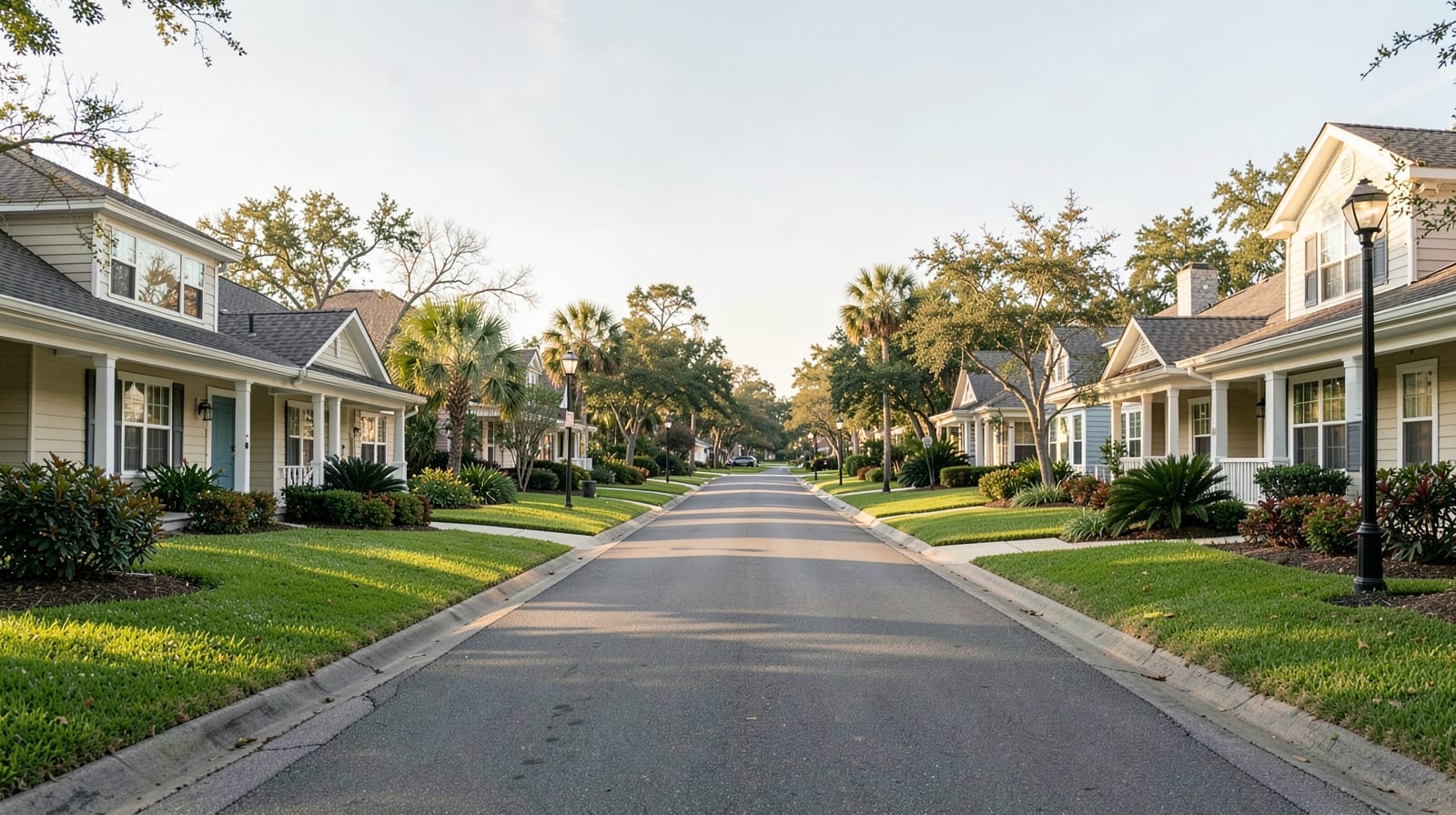
Boat Dock Cleaning in Fleming Island, FL
Boat Dock Cleaning for Fleming Island, FL properties — Fleming Island is an unincorporated community directly across the St. Johns River from Orange Park.
Boat dock cleaning in Fleming Island removes algae, barnacles, and grime from wooden and composite surfaces along the St. Johns River shore. The work involves high-pressure washing to restore docks without damaging the material, keeping them safe and looking their best. Crews in the area typically service both Fleming Island and nearby Orange Park during regular routes, ensuring docks stay clean in this riverfront community.
Why boat dock cleaning matters in Fleming Island
Boat dock cleaning in Fleming Island is crucial due to its waterfront location along the St. Johns River. The work involves removing algae, barnacles, and debris that accumulate from constant exposure to river water, which can degrade dock materials over time.
This service is also available via Boat Dock Cleaning and Fleming Island, FL.
Crews in the area typically focus on scrubbing surfaces, clearing dock hardware of corrosion, and ensuring safe, unobstructed access for boats. This maintenance preserves the dock’s structural integrity and keeps the riverfront property functional and visually appealing.
What boat dock cleaning actually involves, step by step
Wood species and condition check. The type of wood and its current condition — soft and weathered versus recently sealed — are checked first, since old, soft, or rotting wood fibers pressure-wash very differently than a newer deck board and can be gouged by a setting the newer wood handles fine.
Low-pressure detergent wash. A wood-safe cleaning solution is applied at low pressure to lift mildew, algae, and gray weathering from the surface, working with the grain rather than across it, since spraying against the grain is what drives water and pressure into the wood fibers instead of across the surface.
Hand or brush detail. Railings, stair treads, and tight corners the wand can't safely reach at an angle are finished by hand or with a stiff brush, since forcing a wide fan tip into a narrow gap between boards is a common way to gouge a groove into the wood.
Controlled rinse. The rinse pass stays low pressure and follows the grain the same way the wash pass did, removing loosened detergent and debris without driving water down into the joints between boards where it is slow to dry out afterward.
Dry-out period before sealing. The wood is left to dry fully — typically a couple of days depending on weather — before any stain or sealant is applied, since sealing over wood that is still holding moisture traps that moisture under the new coating instead of letting it evaporate out.
What goes wrong when boat dock cleaning is done badly
Gouging and fuzzing the wood grain. Pressure set too high for the wood, or a tip held too close, tears open the softer grain of the board and leaves a fuzzy, splintery texture behind instead of a clean one — a texture problem that shows up worse once the wood dries and can't be pressure-washed back out.
Driving water into the joints. Spraying directly into the gap between deck boards or fence pickets forces water down into the joint and the framing underneath, where it dries far more slowly than the exposed surface and can start rot in a spot that is never visible from above.
Sealing over wet wood. Applying stain or sealant before the wood has fully dried traps residual moisture underneath the new coating, which is a common cause of a sealant job that bubbles, peels, or discolors within the first season instead of lasting as expected.
How to choose who does the work in Fleming Island
Does the quote specify the PSI and method — pressure wash vs. soft wash — for each surface? The wrong PSI on siding, roofing, or wood can cause damage, so the method should be disclosed per surface, not left as one generic number. Is a written scope listing every surface included — driveway, siding, deck, roof, fencing — provided? Bundled pricing sometimes covers only one or two surfaces despite sounding comprehensive. Are the cleaning chemicals used, and their effect on nearby landscaping and pets, disclosed before the job? Soft-wash detergents vary in strength, and runoff can affect plants or pets nearby. Does the estimate distinguish concrete or driveway work from roof or siding work? Roof and siding washing typically require lower pressure and different technique than concrete, and pricing that lumps them together can hide risk. What is the policy if pressure washing reveals pre-existing damage, like cracked paint or loose mortar? Pre-existing conditions can surface once dirt is removed, so it helps to know how that gets handled before agreeing to the job. Is post-treatment sealing for driveways or decks included in the price or billed separately? Sealing is often an add-on, not part of a basic wash.
No mention of PSI or method — pressure vs. soft wash — for each surface. The wrong pressure on siding, roofing, or wood can cause real damage, and a quote that has not specified method per surface has not actually assessed the job. A price far below every comparable bid for the same square footage. An unusually low price can mean lower-grade equipment, no pre-treatment chemical, or rushed coverage that leaves streaking. No mention of what chemicals are used or their effect on landscaping. Undisclosed chemical strength is how plants and grass near the work area end up damaged. Full payment demanded before the job starts. Paying in full upfront removes leverage if streaking, missed spots, or damage shows up afterward. Pressure to add extra services on the spot without a separate written price. Add-ons proposed in the moment are harder to compare against other bids.
The work is assessed based on the dock’s size, material, and level of buildup. Accessibility and Orange Park, FL water conditions may influence the approach. A visual inspection determines the pressure settings and cleaning agents needed for effective results.
Call for a quote on boat dock cleaning for a Fleming Island property — pricing works the same as everywhere else in the service area.
See Boat Dock Cleaning in Lakeside, FL for more — or discover what's included in our Orange Park service before booking for our complete service area.
Serving Fleming Island, FL
Ready to get started?
Talk to a local pressure washing pro serving Fleming Island, FL — get a written quote.
Other Services We Offer in Fleming Island, FL
Commercial Pressure Washing in Fleming Island, FL
Commercial Pressure Washing for Fleming Island, FL properties — Fleming Island is an unincorporated community directly across the St. Johns River from Orange Park.
Learn More
Graffiti Removal in Fleming Island, FL
Graffiti Removal for Fleming Island, FL properties — Fleming Island is an unincorporated community directly across the St. Johns River from Orange Park.
Learn MoreSolar Panel Cleaning in Fleming Island, FL
Solar Panel Cleaning for Fleming Island, FL properties — Fleming Island is an unincorporated community directly across the St. Johns River from Orange Park.
Learn MoreFleet Washing in Fleming Island, FL
Fleet Washing for Fleming Island, FL properties — Fleming Island is an unincorporated community directly across the St. Johns River from Orange Park.
Learn MoreDumpster Pad Cleaning in Fleming Island, FL
Dumpster Pad Cleaning for Fleming Island, FL properties — Fleming Island is an unincorporated community directly across the St. Johns River from Orange Park.
Learn MorePaver Sealing in Fleming Island, FL
Paver Sealing for Fleming Island, FL properties — Fleming Island is an unincorporated community directly across the St. Johns River from Orange Park.
Learn MoreThe same service is also covered in Lakeside, FL , on the same terms.
Common Questions About Pressure Washing in Fleming Island, FL
Everything you need to know about pressure washing services in Fleming Island, FL
How much does Boat Dock Cleaning typically cost in Fleming Island, FL?
Why does algae and mildew growth on homes in Fleming Island, FL come back so quickly?
How long does washing a typical house exterior take?
Can pressure washing damage concrete, pavers, or mortar joints?
What are the actual named steps in a professional pressure washing job?
Need Pressure Washing in Fleming Island, FL?
Get a written quote from our Fleming Island, FL crew.
⏰ We answer your call • Serving all of Fleming Island, FL and surrounding areas