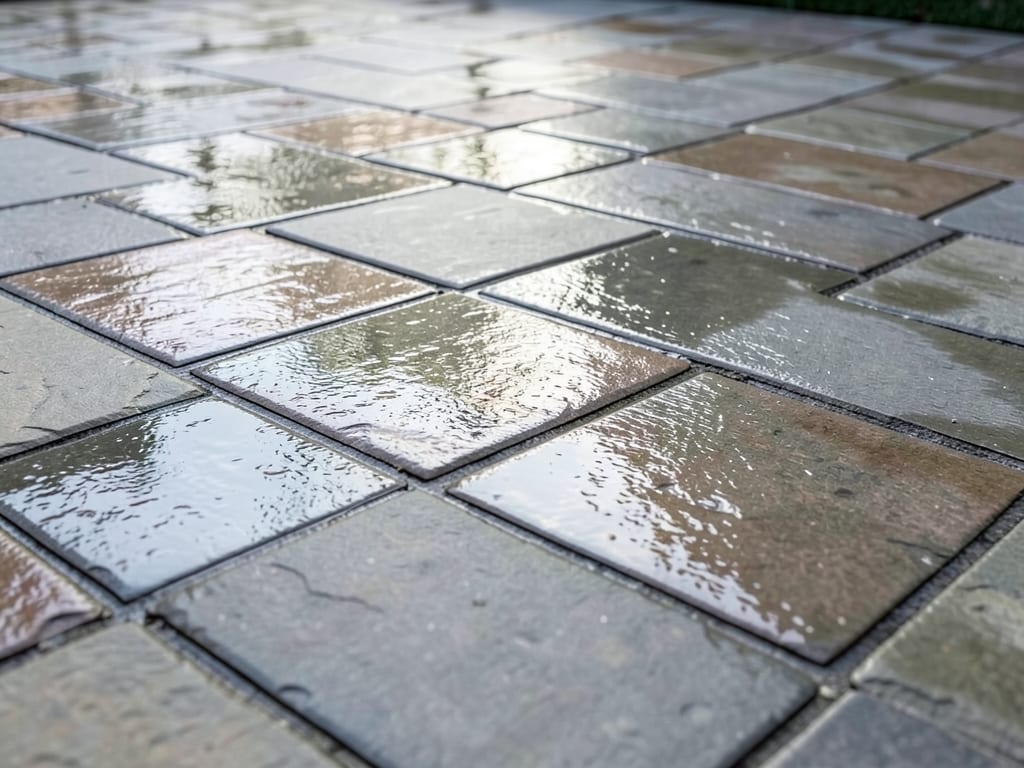
Paver Sealing
Paver sealing in Orange Park, FL — a protective, wet-look finish applied after cleaning to lock in color and block stains.
In Orange Park, FL, paver sealing is the essential follow-up to pressure washing, locking out stains, UV fading, and joint-sand erosion in our humid climate. A properly sealed surface stays cleaner longer and resists oil, weeds, and weather damage for years.
Why Sealing Matters After Pressure Washing
Pressure washing removes surface dirt, mold, and weeds, but pavers remain porous without sealing. In Orange Park’s warm, wet climate, unsealed pavers quickly reabsorb stains, grow weeds, and lose joint sand, undoing the cleaning work within a season or two.
We also handle Medical Clinic Exterior Washing and Hard Water Stain Removal for Orange Park properties.
Sealant creates a protective barrier that repels oil, resists UV fading, and prevents sand washout. It also makes future cleanings easier, as dirt sits on the sealant’s surface rather than penetrating the stone.
Signs Your Pavers Need Sealing
- Joint sand is eroding or washing out between pavers
- Oil or grease stains are absorbing into the surface
- Pavers appear faded or dull compared to their original color
- Weeds or moss are regrowing quickly after cleaning
Choosing the Right Sealant Finish
Sealants come in various sheens, from natural matte to high-gloss wet-look finishes. The choice is primarily aesthetic—all provide the same level of protection against stains, UV, and moisture.
In Orange Park, a low-sheen or satin finish is popular for driveways and patios, as it enhances color without looking overly shiny. Glossy finishes are often used for decorative walkways or pool decks where a richer appearance is desired.
| Finish Type | Appearance | Best For |
|---|---|---|
| Natural/Matte | Subtle, original look | Driveways, functional areas |
| Satin | Soft sheen, enhanced color | Patios, walkways |
| Glossy/Wet-Look | High shine, deep color | Decorative spaces, pool decks |
How Paver Sealing Works
Sealing is always performed after a thorough cleaning to ensure proper adhesion.
- 1Deep Cleaning
Pavers are pressure washed to remove all dirt, stains, and organic growth. This step ensures the surface is clean and dry before sealing.
- 2Surface Preparation
Joint sand is replenished if needed, and the pavers are allowed to dry completely—typically 24-48 hours in Orange Park’s climate.
- 3Sealant Application
A professional-grade sealant is applied evenly with a sprayer or roller, ensuring full coverage of pavers and joints.
- 4Drying and Curing
The sealant dries within hours, but full curing takes 24-48 hours. Foot and vehicle traffic should be avoided during this time.
Frequently Asked Questions
How long does paver sealing last in Orange Park’s climate?
With proper application, sealant typically lasts 2-3 years. High-traffic areas or spaces exposed to heavy rain may need reapplication sooner.
Can I seal my pavers without pressure washing first?
No. Sealant only bonds to a clean, dry surface. Skipping the cleaning step will trap dirt and debris under the sealant, reducing its effectiveness.
Does sealing make pavers slippery?
A high-gloss sealant can become slippery when wet, but matte and satin finishes maintain good traction. We recommend non-slip additives for pool decks and walkways.
How much does paver sealing cost?
Pricing depends on square footage, paver condition, and the type of sealant used. Call for a quote—we’ll assess your space and provide an accurate estimate.
See Penney Farms, FL for more, or check out our complete Orange Park service list from start to finish for our complete lineup.
Ready to get started?
Talk to a local pressure washing pro in Orange Park — get a written quote.
Other Pressure Washing Services in Orange Park
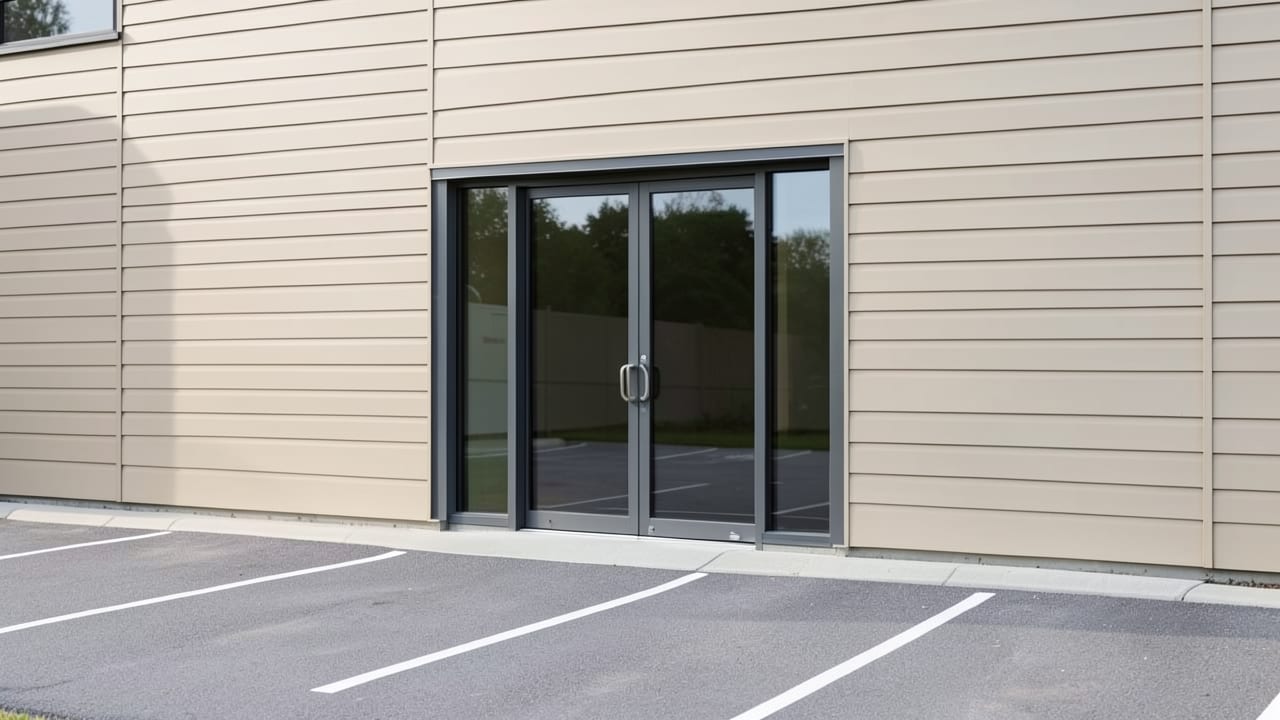
Medical Clinic Exterior Washing in Orange Park, FL
High-pressure cleaning of medical clinic exteriors to remove dirt, grime, and contaminants.
Learn More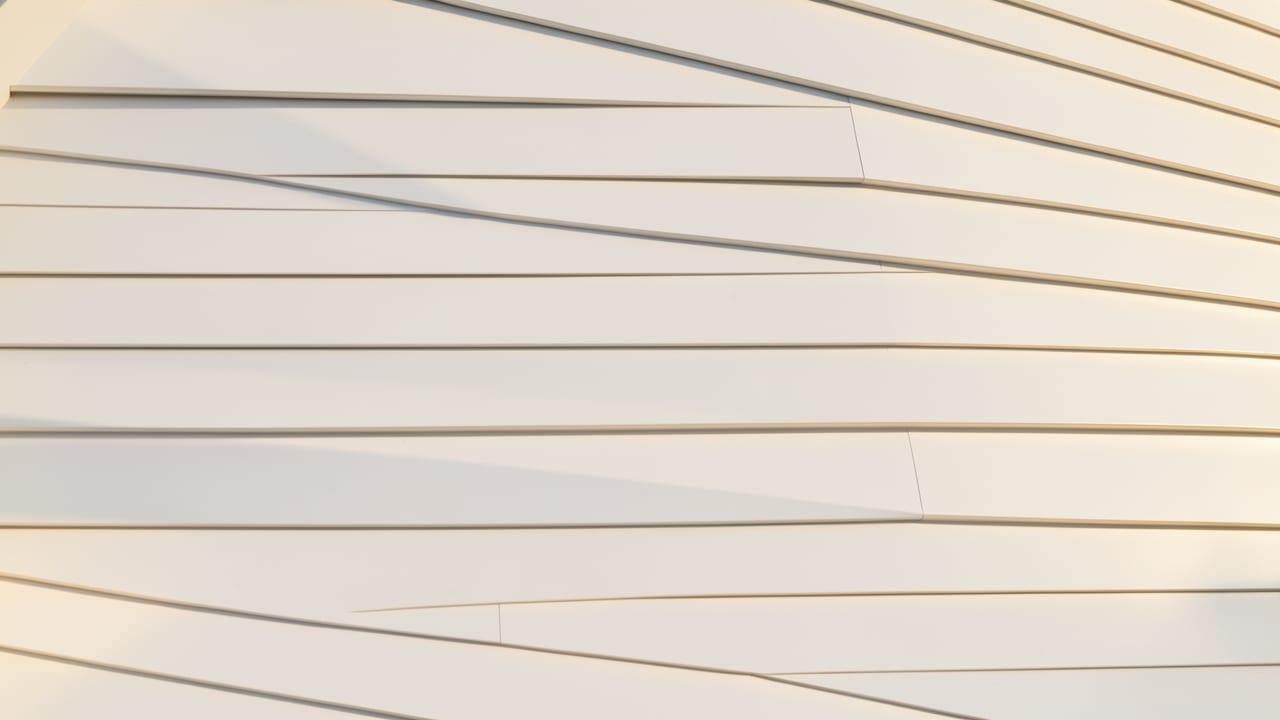
Hard Water Stain Removal in Orange Park, FL
Pressure washing to remove hard water stains from exterior surfaces.
Learn More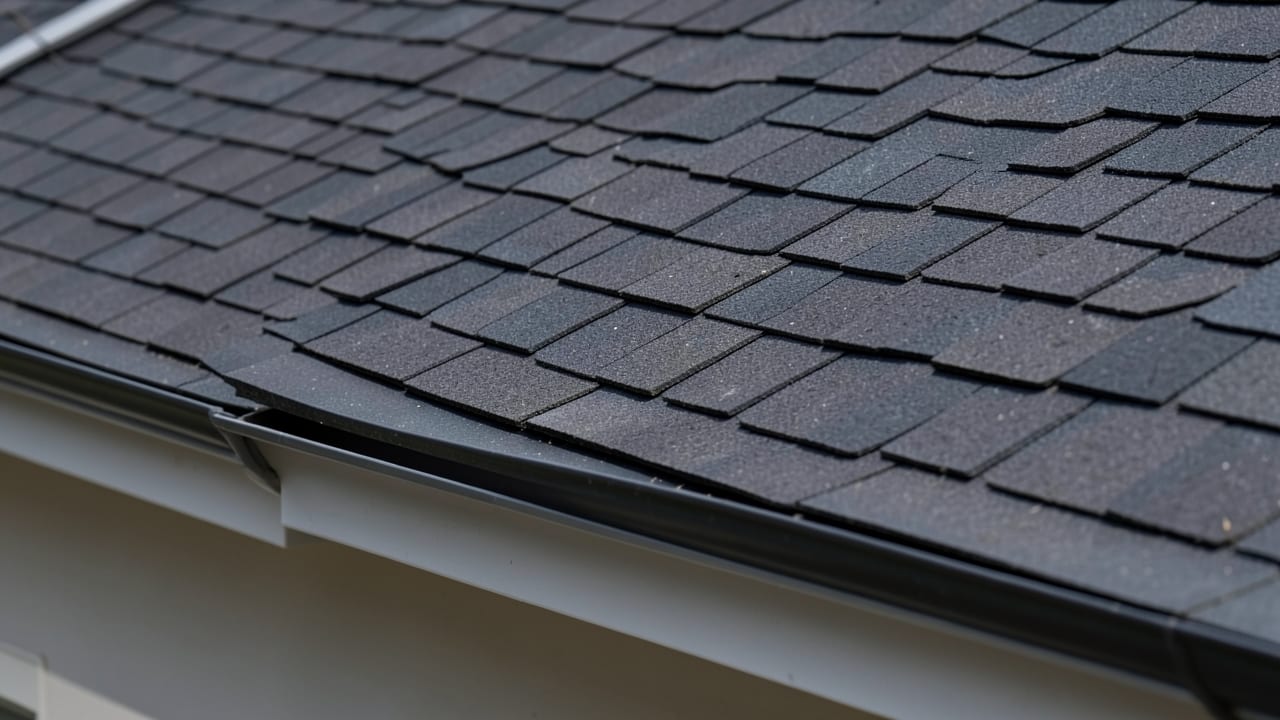
Algae Treatment in Orange Park, FL
Professional pressure washing to remove algae from exterior surfaces like roofs, siding, and driveways.
Learn More
Pre-Winter Gutter Prep in Orange Park, FL
Pressure washing gutters and downspouts to remove debris and prevent winter clogs.
Learn More
Pre-Sale Exterior Refresh in Orange Park, FL
High-pressure cleaning of home exteriors, driveways, decks, and walkways to remove dirt, grime, and stains.
Learn More
Post-Storm Debris Cleanup in Orange Park, FL
Removal of storm debris from properties using pressure washing equipment.
Learn MoreCommon Questions About Pressure Washing in Orange Park
Everything you need to know about pressure washing services in Orange Park
How much does Paver Sealing typically cost in Orange Park, FL?
Why does algae and mildew growth on homes in Orange Park, FL come back so quickly?
Can the wrong PSI actually damage a house or driveway?
What's the actual difference between pressure washing and soft washing?
How often should a home's exterior actually be washed?
Are the cleaning chemicals used in soft washing safe for landscaping and pets?
Need Pressure Washing in Orange Park?
Get a written quote from our Orange Park crew.
⏰ We answer your call • Serving all of Orange Park and surrounding areas